

Taxation in Madrid
2026-05-16
Change of use from commercial premises to residential property in Madrid
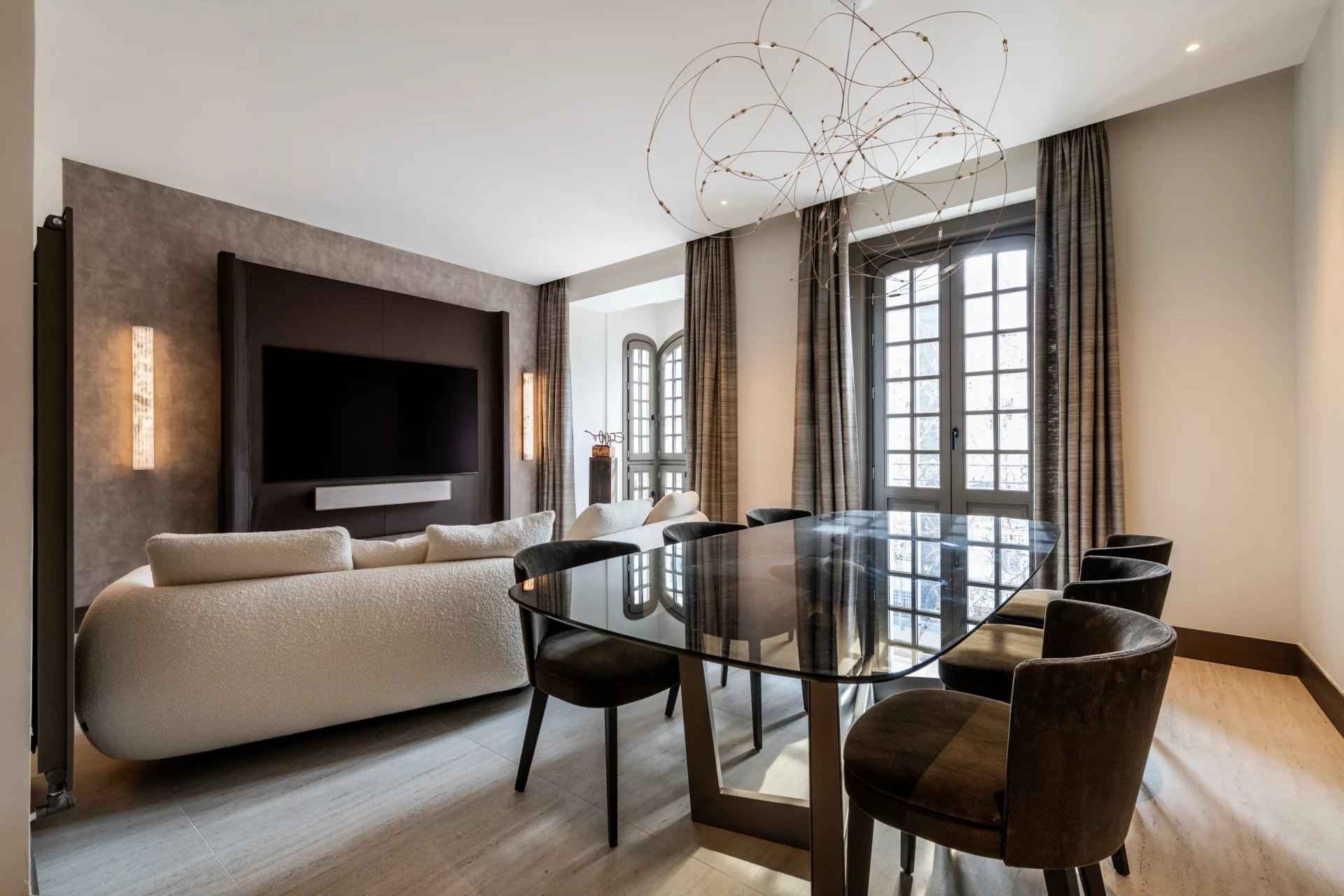
Converting a Commercial Space into Residential Property in Madrid: Requirements and Process
Converting a commercial space into a residential property has become an increasingly attractive option in Madrid, especially in areas with strong housing demand.
From an investment perspective, it can be appealing because some commercial premises are offered at a lower price per square meter than residential properties. However, not every commercial space can legally become a home, and success depends on meeting urban planning regulations and technical requirements from the very beginning.
What Does “Changing the Use” Mean (and What It Does Not Mean)
The “use” of a property refers to the designation established in its legal documentation and urban planning classification.
Changing the use means legally transforming a commercial or tertiary-use property into a residential property through the appropriate technical project and municipal permits.
It is not simply an interior renovation. If the change of use is not officially approved and registered, the property will legally remain a commercial space.
First Step: The Feasibility Study
Before purchasing the property or starting construction work, it is highly recommended to commission a feasibility study carried out by an architect or technical architect.
This analysis determines whether the premises are compatible with residential use according to urban planning regulations and whether the property can technically meet residential habitability standards.
In many cases, the process is supported by a municipal urban compatibility report or certificate, depending on the local authority and the applicable procedure.
This is the stage that prevents the greatest number of problems and helps determine whether the operation makes financial and legal sense before investing capital.
Common Requirements for Converting a Commercial Space into Residential Property
The exact requirements depend on municipal and regional regulations, but they are usually grouped into four main categories:
1. Habitability Standards
The future home must comply with minimum standards regarding usable surface area, ceiling height, ventilation, natural light, health conditions and internal layout.
In the Community of Madrid, market references often include minimum usable surface areas and minimum ceiling heights. Minimum room dimensions, bathroom and kitchen ventilation, and natural light requirements are also carefully reviewed.
2. Urban Planning Compatibility
Residential use must be permitted in that building, plot or area, and the transformation must comply with local planning regulations.
This is often the main filter. If urban planning rules prohibit residential use, or if the building’s community regulations restrict it, the conversion may become unfeasible or require complex solutions.
3. Compliance with the Technical Building Code (CTE)
The project must comply with the Spanish Technical Building Code, particularly regarding safety, accessibility, health standards, energy efficiency and acoustic insulation.
For ground-floor premises, soundproofing and ventilation are often decisive factors.
4. Building Community and Internal Regulations
Even if the conversion is technically and legally viable, it is essential to review the building’s community statutes and internal agreements.
Some communities restrict certain uses or require internal approval procedures. In Madrid’s classic buildings, this factor can directly impact timelines and costs.
Permits and Documents Usually Required
In practical terms, a change-of-use project generally involves:
- Technical project for change of use and renovation.
- Building permit or responsible declaration, depending on the scope of the works.
- First occupancy license or equivalent documentation after completion.
- Final construction certificates and technical closing documentation.
The key is to understand that the administrative process is part of the investment itself.
If you purchase a property assuming “the paperwork can be handled later,” you risk discovering limitations that may prevent the residential legalization of the property.
The Process Step by Step
- Technical and urban planning feasibility analysis.
- Preparation of the change-of-use project and CTE compliance.
- Permit applications and payment of municipal fees.
- Execution of the construction work according to the approved project.
- Final inspection and completion certificates.
- Registry and cadastral regularization.
A well-structured process reduces risks, avoids delays and protects your investment from the beginning.
Common Challenges (and How to Anticipate Them)
- Limited façade space or lack of real ventilation and natural light possibilities.
- Insufficient ceiling height or inability to meet minimum layout requirements.
- Urban planning regulations that prohibit residential use.
- Community restrictions or delays caused by building approvals.
- Budgets increasing due to accessibility, insulation or technical installations.
In most cases, the smartest approach is to determine viability early. If the project is not feasible, it is better to know before investing in the purchase or renovation.
When Can This Be a Good Opportunity in Madrid?
This type of investment usually makes sense when you identify a commercial property with a good façade, sufficient ceiling height, real ventilation potential and a reasonably well-managed building community.
It can also be attractive when the price difference compared to already legalized residential property compensates for the conversion costs and administrative timelines.
From an investment perspective, appreciation depends on the quality of the project execution, finishes, insulation and full legal regularization.
Buy Your New Residence
BARNES Madrid and Change-of-Use Projects
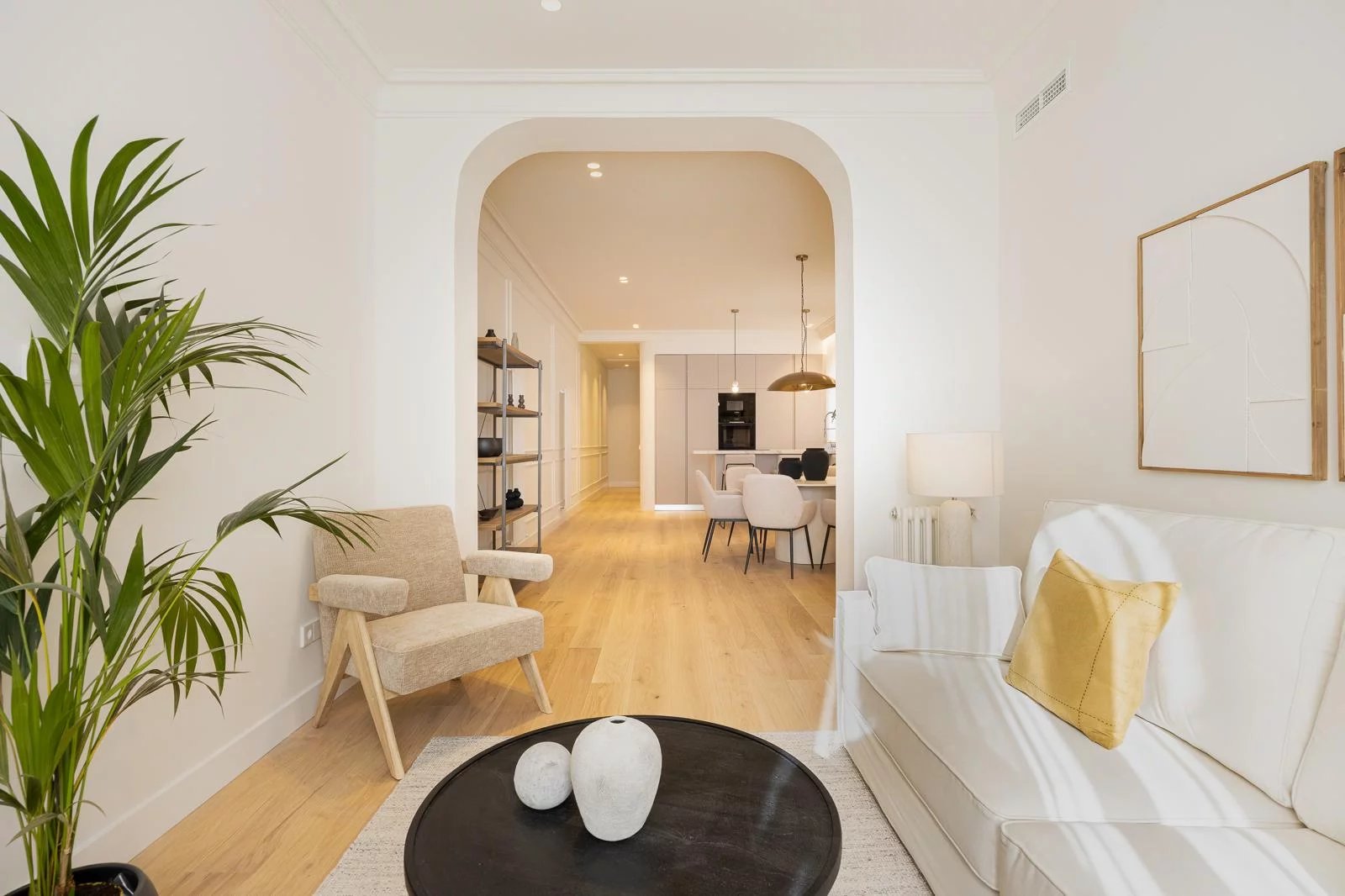
If you are considering converting a commercial property into residential use in Madrid, at BARNES Madrid, we can help you approach the operation with clarity and security: asset selection, feasibility analysis, coordination with technical professionals and document review so you can invest confidently.
We welcome you at Velázquez 15, in the Salamanca District. BARNES Madrid.
