

2026-04-18
Prado Museum: origin, evolution and legacy of Madrid’s great art gallery
Prado Museum: history, collections and Madrid’s cultural legacy
The Prado Museum is the artistic heart of Madrid and one of the most influential art galleries in the world. Its history combines Enlightenment vision, royal collecting and an architectural evolution that has preserved its essence. If you wish to understand why the Prado transcends eras, here you will find a clear and essential overview.
An Enlightenment project born as a science museum
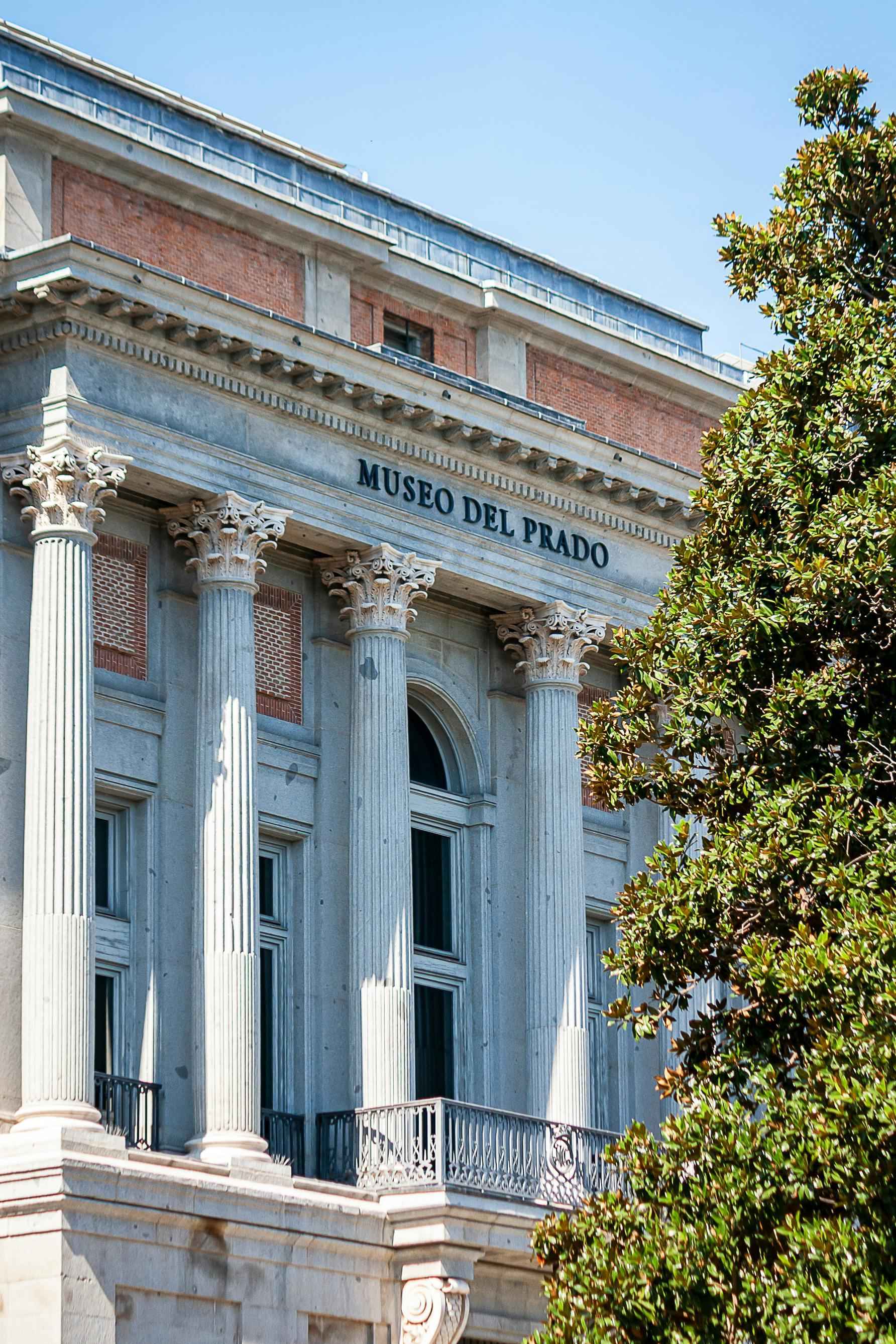
In the late 18th century, Charles III commissioned Juan de Villanueva to design a grand building on the Paseo del Prado, originally intended for the Royal Cabinet of Natural History. The War of Independence delayed its final purpose. In 1819, under the reign of Ferdinand VII and with the decisive support of Queen María Isabel of Braganza, it finally opened as the Royal Museum of Paintings, housing the core of the Crown’s collections.
From royal collections to the European canon
The Prado Museum is rooted in centuries of patronage by the Habsburgs and the Bourbons. As a result, it is today a global reference in:
- Spanish painting: Velázquez, Goya, El Greco, Zurbarán, Ribera, Murillo.
- Venetian and Flemish schools: Titian, Tintoretto, Veronese, Rubens, Van Dyck.
- Singular masters: Bosch and his Garden of Earthly Delights, a key work of modernity.
Among its icons are Las Meninas by Velázquez and The Third of May 1808 by Goya, works that help explain the political, social and technical perspectives of their time.
A building that grows with respect
Villanueva’s building —a masterpiece of Spanish Neoclassicism— has evolved without losing coherence. During the 20th century, renovations modernised galleries, storage areas and workshops. In the 21st century, the extension designed by Rafael Moneo integrated the Jerónimos Cloister and provided new exhibition and research spaces, while preserving a respectful dialogue with the original architecture and its urban surroundings.
Prado and the city: a unique cultural landscape
In 2021, the Paseo del Prado and Buen Retiro Park were inscribed by UNESCO as the Landscape of Light. The Prado Museum is the backbone of this cultural axis, alongside institutions such as the Thyssen-Bornemisza and the Reina Sofía.
Living in the Jerónimos–Retiro area means enjoying one of Europe’s most valuable cultural ensembles on a daily basis.
Tips for your visit
- Start with the Villanueva building (ground and first floors) to understand the narrative of Spanish painting and its dialogue with Italy and Flanders.
- Allow time for Goya —from tapestry cartoons to the Black Paintings— and for Velázquez, whose work structures the museum.
- Combine your visit with a walk through El Retiro or the Botanical Garden, where light and setting complete the experience.
Living near the Prado: art and quality of life
Residences in Jerónimos, Recoletos or Cortes–Literary Quarter allow you to enjoy the Prado as part of everyday life. Representative buildings, penthouses with discreet terraces, bright upper floors and well-maintained communities define this area.
To buy an apartment in Madrid with historic character and outstanding quality of life, the Paseo del Prado axis represents a solid choice, supported by limited supply and long-term cultural value.
BARNES Madrid
If you wish to explore apartments for sale in Madrid near the Prado Museum —or assess properties in Jerónimos, Retiro or Recoletos—, at BARNES Madrid we support you with a curated on & off-market selection, street-by-street valuation and a secure negotiation process.
We welcome you at Velázquez 15 (Barrio de Salamanca), with the rigour and discretion that define BARNES.